Security Reports for Polish and Romanian Clients.
05 November, 2026· Article by Alex Reed


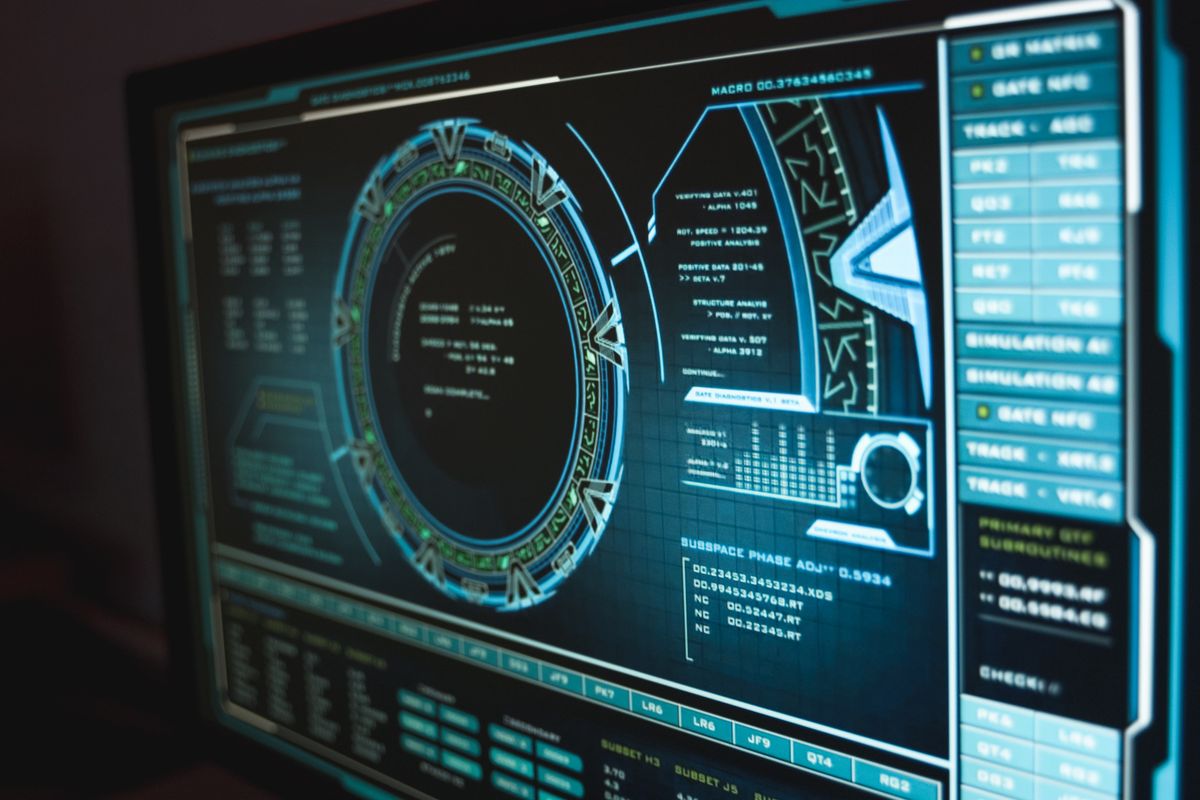
A security consultancy in Leeds finishes an audit for a retail chain in Poland. The findings are clear and the fixes are urgent. The report is forty pages of English with terms like privilege escalation and zero day and incident response. The client board in Warsaw reads a rough machine version and decides the risk is small. Three months later a breach proves otherwise. The audit was right but the wording failed to carry its weight.
Cybersecurity and blockchain firms sell trust. Their reports and dashboards and contracts must be understood by managers who are not engineers. Poland and Romania are both growing fast in digital services and in financial technology. Companies in both countries buy security work from foreign experts and expect it in a language their whole team can read.
Technical text is hard to translate because small words carry big meaning. A vulnerability can be critical or high or medium and each label drives a budget decision. A smart contract warning can mean a loss of funds or a harmless style note. If the translation blurs these levels the client acts too late or too early.
Many firms treat language as a final polish. They write the report in English and send it out with a note that a translation will follow. By then the client has already made a decision from a summary. The language plan must start with the audit and not after it.
This article explains how security and blockchain teams can prepare reports and product text for Polish and Romanian readers. It covers terminology and review and where to find public guidance. It is written for small consultancies and for product teams.
Decide Which Texts Carry the Risk
List the documents a client will read. Audit reports and incident notes and service agreements and privacy policies come first. Blog posts and product pages can follow. A professional team offering Bulgarian translation services and other Eastern European languages can handle the full set when you later add Bulgaria to your client list so that the same terms appear in every country.
Create a severity glossary before the first page is translated. Fix the words for critical and high and medium and low and for terms such as exploit and patch and wallet and node. Ask the translator to keep each term identical in every report. This one step prevents most of the confusion that appears when several people translate over several months. Store the glossary in a shared file and update it after every audit so that new colleagues start from the same base. Review it once a year because attack names and product names change quickly.
Polish and Romanian Need Local Precision
Polish translation services for security teams must manage long compound words and a formal tone that boards expect. A phrase that sounds urgent in English can sound rude in Polish if it is translated word for word. A good translator keeps the urgency and adapts the polite form. Dates and numbers also need care because Polish uses a decimal comma. Screenshots and code samples should stay in their original form while the text around them is translated and explained. Mixed files are a common source of error so check every page in the final layout.
The Romanian language looks close to Italian and Spanish and that tempts teams to skip review. Technical terms in Romanian often come straight from English but with local endings and spelling. The Romanian language also uses special letters that break in some dashboards and in older report templates. Ask for a screen test of every Romanian language file. Good polish translation services and a careful Romanian language review make a report easy to act on.
Use Public Guidance and Cross Check
Base your wording on trusted sources. The ENISA agency publishes security guidance for the European Union and uses terms that clients will recognise. Our guide to the native and main languages of Malta shows how a small market can mix several languages in one office and why clear terms matter when teams share files.
For web application risks the OWASP community publishes lists and glossaries that many developers already use. Matching your terms to such sources helps clients compare your report with other documents. Keep the source and the date of every reference so that you can update the report when standards change.
Build a Review Routine
Choose one person to speak with the translation team. Share the glossary and examples of past reports. Ask for a translation memory so that repeated findings stay identical across audits. Send a short section as a test before the full report and ask a native security professional to read it. Ask how the agency protects confidential findings and who can open your files. Ask for a clear quote with the price per word and the cost of urgent work. Tell the agency early if you need polish translation services for a long audit because large files need more than one translator.
The cost of translation is small next to the cost of a missed warning. A report that a board can read without help gets faster decisions and builds trust for the next contract. Clients also remember which supplier made a hard topic easy to understand and they call that supplier first when the next incident happens. Many firms now include translation in the audit budget from the first quote.
A warning only works when the reader understands it the first time.
Recent Posts

Report di Sicurezza per Client...

Informes de Ciberseguridad par...

Warum IT-Sicherheitsfirmen eng...

Smart Contract Security: Why C...

What Blockchain Backers Know A...
Blockchain, comment fonctionne...
Share it.

Links
We use cookies
We use cookies to give you the best online experience, remember your preferences, and understand how the site is used. You can accept all cookies, reject optional ones, or choose which categories to allow.
Privacy PolicyCookie preferences
Choose which cookies we can use. Necessary cookies stay on because the site cannot work without them.
For more details, read our Privacy Policy.